
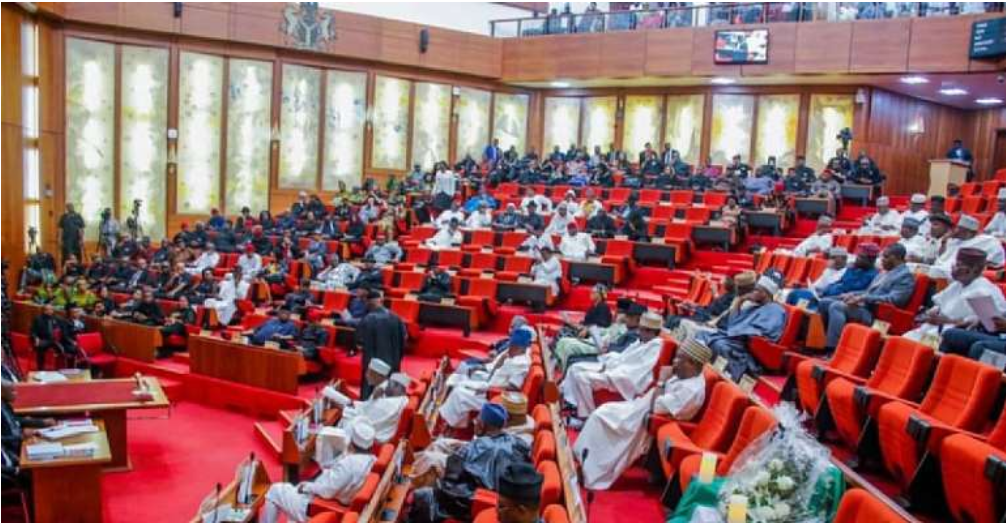
Nigeria Senate Rejects Proposal for Real-Time Electronic Transmission of Election Results
Nigeria’s electoral reform journey has once again sparked national debate following the Senate’s rejection of a proposal mandating real-time electronic transmission of election results. The decision, taken during deliberations on the Electoral Act Amendment Bill, has raised concerns among civil society groups, opposition parties, and citizens who see technology as a key tool for improving transparency and credibility in elections.
As Nigeria prepares for future elections, the Senate’s move has reopened conversations around trust, accountability, and the pace of democratic reform in the country.

During the clause-by-clause consideration of the Electoral Act Amendment Bill, lawmakers debated a proposal that sought to make real-time electronic transmission of election results compulsory, especially from polling units to INEC’s result viewing platforms.
However, the Senate voted against making the process mandatory. Instead, it retained provisions similar to those in the Electoral Act 2022, which allow the Independent National Electoral Commission (INEC) to transmit results electronically “in a manner determined by the Commission”, without explicitly stating that such transmission must occur in real time.
This distinction — optional electronic transmission versus compulsory real-time upload — lies at the heart of the controversy.
Why the Proposal Was Rejected
Senators who opposed the amendment cited several reasons for their decision:
1. Infrastructure Challenges
Lawmakers argued that poor network coverage in many rural and remote areas could make real-time electronic transmission difficult, potentially disenfranchising voters or causing delays.
2. Operational Flexibility for INEC
The Senate emphasized the need to allow INEC the flexibility to determine the most effective transmission methods based on prevailing conditions rather than locking specific processes into law.
3. Legal and Practical Concerns
Some senators expressed fears that a rigid legal requirement could lead to widespread litigation if technical failures occur during elections.
According to Senate leadership, the decision does not abolish electronic transmission, but avoids making it compulsory in real time.
Public Reaction and Political Fallout
The Senate’s decision triggered strong reactions across the country:
Civil society organizations described the rejection as a setback for electoral transparency and accountability.
Opposition parties criticized the move as retrogressive, accusing lawmakers of undermining public trust in the democratic process.
Legal experts and advocacy groups warned that without explicit legal backing, electronic transmission could be inconsistently applied, leaving room for manipulation.
On social media, many Nigerians expressed disappointment, viewing the rejection as a missed opportunity to strengthen electoral integrity ahead of future polls.

What the Law Still Allows
Despite the controversy, the Electoral Act still provides for:
Manual counting and announcement of results at polling units
Documentation and signing of result forms
Electronic transmission of results, as determined by INEC
However, the law stops short of requiring real-time electronic upload, leaving the process largely at the discretion of the electoral body.
Why Real-Time Transmission Matters
Advocates argue that real-time electronic transmission:
Reduces opportunities for result tampering
Increases transparency and public confidence
Minimizes post-election disputes and litigation
Aligns Nigeria with global best practices in electoral management
Without it, critics fear Nigeria may continue to struggle with contested elections and declining voter trust.
Conclusion
The Senate’s rejection of mandatory real-time electronic transmission of election results highlights a broader tension in Nigeria’s democracy — balancing technological innovation with practical realities. While lawmakers insist the decision protects flexibility and fairness, many Nigerians see it as a step backward in the fight for credible elections.
As the country looks ahead to future polls, the effectiveness of INEC’s implementation and the willingness of lawmakers to revisit electoral reforms will determine whether public confidence in Nigeria’s electoral system can truly be restored.