
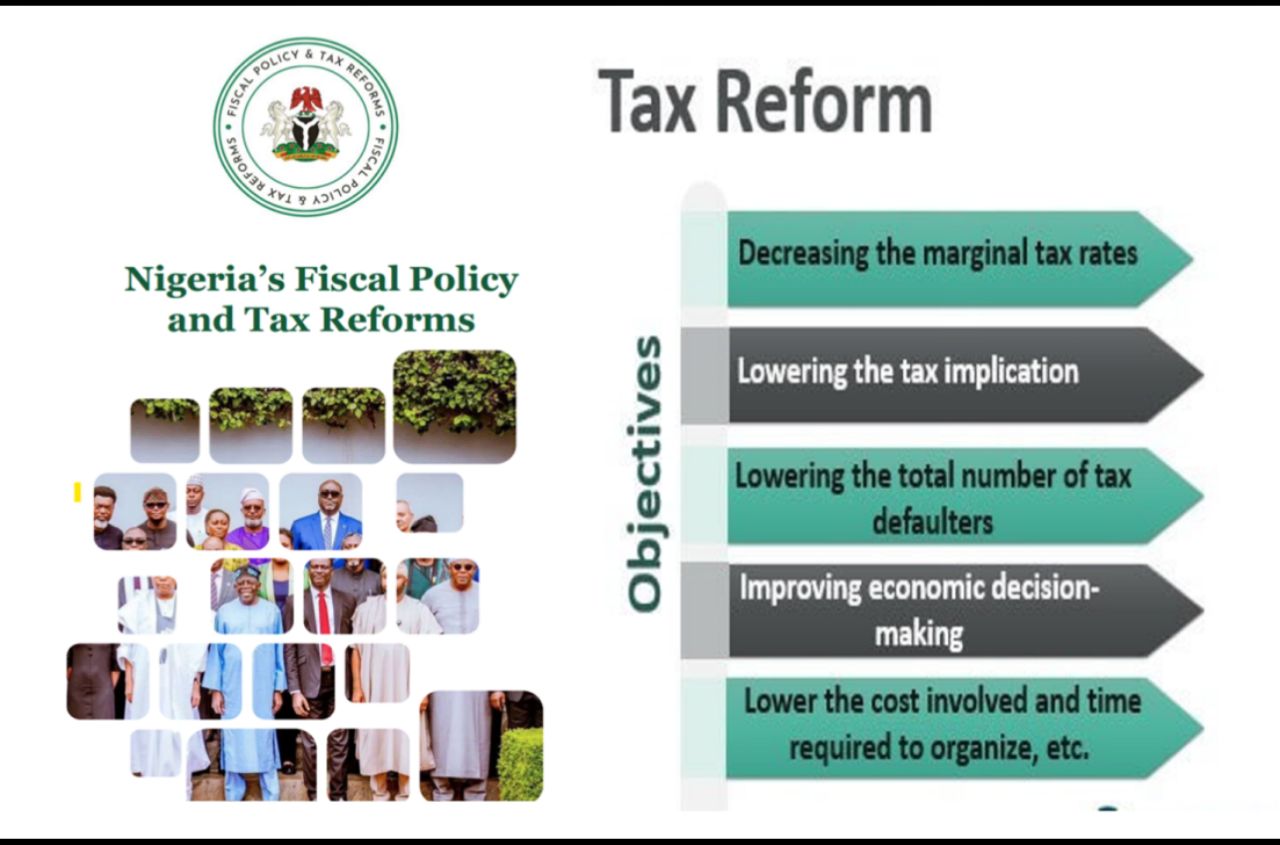
Nigeria’s New Tax Reform: What It Means for Citizens, Businesses, and Nigerians in the Diaspora
Nigeria is set to implement a major overhaul of its tax system with the introduction of the new tax reform, which will take effect on January 1, 2026. Designed to tackle persistent issues such as multiple taxation, low compliance, and revenue leakages, the reform represents a deliberate move toward a fairer, simpler, and more transparent tax structure. At its core, the reform seeks to protect low-income earners, promote ease of doing business, and strengthen government revenue for sustainable national development.
A Fairer Deal for Individual Taxpayers
One of the most notable aspects of the new tax reform is the relief granted to low-income earners. Individuals earning ₦800,000 or less annually are fully exempt from personal income tax, ensuring that the most vulnerable Nigerians are not burdened by taxation. For middle- and high-income earners, the reform introduces a progressive tax system that aligns tax contributions with earning capacity.

New Personal Income Tax Brackets (Effective January 1, 2026)
Under the new framework, annual income will be taxed as follows:
* ₦0 – ₦800,000: 0% (tax-exempt)
* ₦800,001 – ₦3,000,000: 15%
* ₦3,000,001 – ₦12,000,000: 18%
* ₦12,000,001 – ₦25,000,000: 21%
* ₦25,000,001 – ₦50,000,000: 23%
* Above ₦50,000,000: 25%
This structure ensures fairness by reducing the tax burden on lower earners while requiring higher earners to contribute proportionately more.
What This Means for Businesses
Businesses are expected to benefit significantly from the reform. The new system simplifies tax administration, reduces overlapping and multiple taxes, and promotes the use of digital platforms for tax filing and payment. The introduction of a unified Tax Identification Number (TIN) further streamlines compliance, making it easier for businesses—especially small and medium enterprises—to operate within the formal economy. These changes are aimed at improving transparency, reducing bureaucracy, and fostering a more business-friendly environment.

Nigerians in the Diaspora: Key Clarifications
A major concern surrounding the reform has been its implications for Nigerians living abroad. The government has clearly stated that Nigerians in the diaspora will not be taxed on income earned outside Nigeria, even if such income is remitted back home. Personal remittances, gifts, and family support sent into Nigeria are not considered taxable income.
However, diaspora Nigerians who earn Nigeria-sourced income—such as rental income, business profits, dividends, or employment income within Nigeria—may be liable to tax on those earnings. Tax liability is also influenced by residency status, with individuals who spend 183 days or more in Nigeria within a 12-month period potentially classified as residents for tax purposes.
Final Thoughts
Overall, Nigeria’s new tax reform marks a significant shift toward fairness, accountability, and economic inclusion. By protecting low-income earners, simplifying business compliance, and clarifying the tax position of Nigerians abroad, the reform lays the foundation for a more efficient and trusted tax system. While effective implementation and public education will be critical, the reform holds strong potential to boost confidence, improve compliance, and support long-term economic growth.