Banker Lady Sacked Over Workplace Content: The Fine Line Between Personal Branding and Professional Conduct
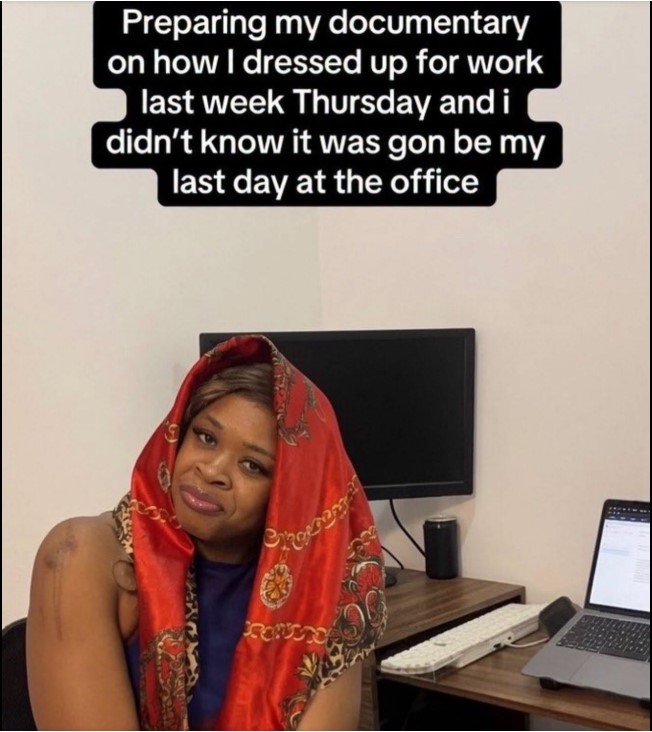
Banker Lady Sacked Over Workplace Content has become one of the most talked-about topics across Nigerian social media. The incident has sparked debates about workplace professionalism, social media policies, employee rights, and the growing influence of content creation in corporate environments. Reports indicate that the banker was allegedly dismissed after posting workplace-related videos that were said to conflict with her employer’s internal policies, although some details remain publicly unverified.
As more professionals build personal brands online, the story serves as another reminder that the boundaries between personal expression and workplace responsibilities continue to blur.
What Happened?
According to discussions circulating online, the banker was reportedly relieved of her duties after creating and sharing content filmed within or relating to her workplace. The videos quickly gained attention, generating thousands of reactions and prompting widespread public debate.
Although the financial institution involved has not publicly released a detailed statement outlining every reason behind the decision, many observers believe the content may have conflicted with workplace policies concerning confidentiality, professionalism, employee conduct, or the unauthorized use of company premises and branding. Public reporting has not confirmed every claim circulating on social media, so some aspects remain unverified.

Why Banks Have Strict Social Media Policies
The banking industry operates under strict regulatory and ethical standards. Employees are expected to maintain confidentiality while protecting customer information and the institution’s reputation.
The Rise of Workplace Content Creation
Social media has transformed ordinary employees into influencers and content creators. From “day in my life” videos to workplace comedy skits, many professionals now document their daily routines online.
While this content can attract millions of views and lucrative brand partnerships, it also creates potential conflicts between personal branding and employer expectations.
Some organizations encourage employees to become brand ambassadors, while others maintain strict rules limiting workplace content. The difference often lies in whether employees obtain approval and follow established corporate guidelines.

Public Reactions
The reported dismissal sparked divided opinions online.
Some social media users argued that every employee has the right to build a personal brand outside official working responsibilities. Others maintained that banking institutions must enforce professional standards consistently to protect customer confidence.
The debate has also highlighted broader questions about whether employers should modernize workplace policies to reflect today’s creator economy while still safeguarding sensitive business operations.
The Bigger Conversation
This incident reflects a growing challenge facing modern workplaces. As content creation becomes an increasingly viable source of income and influence, employers are being forced to rethink traditional workplace policies while employees must navigate new expectations regarding digital conduct.
For professionals in highly regulated industries such as banking, healthcare, insurance, and government, the standards are often even stricter because public trust and confidentiality remain essential.
Finding the right balance between personal expression and professional responsibility will likely remain an important issue as social media continues to shape the future of work.
Conclusion
The story of the banker lady reportedly sacked over workplace content has become more than just another viral social media moment. It has sparked an important discussion about digital professionalism, corporate policies, and the responsibilities that come with working in regulated industries.
Whether one agrees with the employer’s decision or not, the incident serves as a reminder that online content can have real-world career consequences. Employees who wish to grow as creators should understand their organization’s policies, protect confidential information, and ensure their personal brand complements—rather than conflicts with—their professional responsibilities. As the creator economy expands, striking this balance will become increasingly important for professionals everywhere.