From Advocacy to Backlash: How Simi’s Tweets Sparked a Nationwide Debate
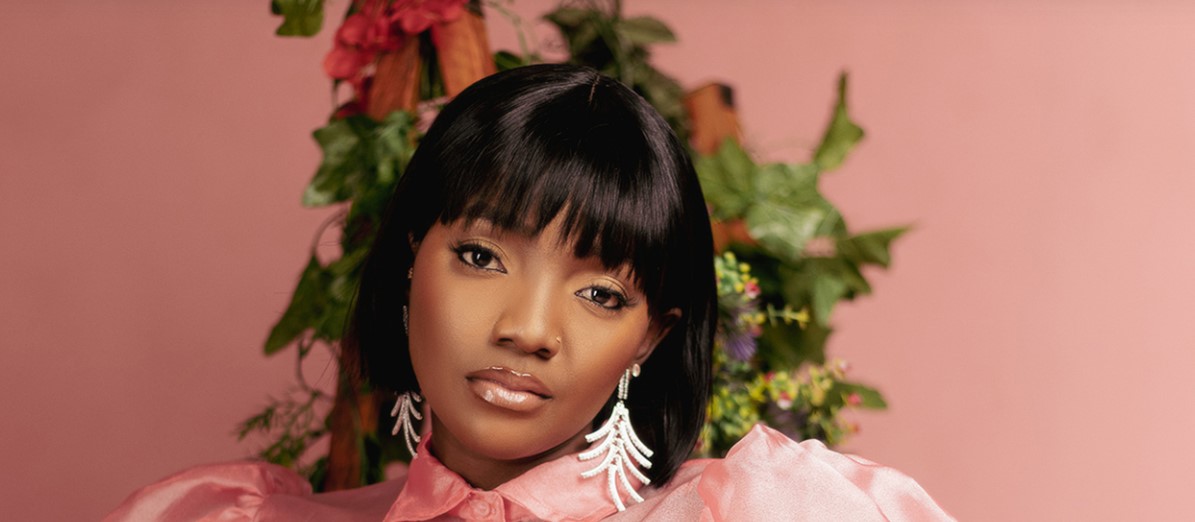
In February 2026, Nigerian music star Simi found herself at the centre of one of the most talked-about social media debates in the country — not for her music, but for her comments on X (formerly Twitter) and a decade-old line of tweets from her past.
What began as strong advocacy against sexual violence quickly evolved into a layered controversy involving resurfaced posts, public outrage, and official attention.
The Mirabel Case: Where It All Began
The controversy began when a young TikTok user known as Mirabel posted a viral video claiming she had been raped and physically assaulted in her home. The video triggered nationwide outrage and intense discussions about sexual violence in Nigeria.
Amid this climate, Simi weighed in on X with a firm call to end rape culture, writing that rapists should be “castrated and burnt alive” and emphasising how common sexual assault is in women’s lives.
However, when some users began raising questions about the consequences for false accusers, her dismissive replies drew criticism. The situation escalated further after reports surfaced online suggesting that Mirabel had recanted her allegation and admitted it was false.
This shift in narrative intensified reactions to Simi’s comments, with some interpreting her stance as insensitive or poorly phrased in light of the new developments.

Old Tweets Resurface and Change the Conversation
Shortly after her recent commentary, social media users began digging through Simi’s old tweets from 2012 and 2013 — a period before she rose to mainstream fame.
The resurfaced posts included remarks about her experiences assisting at her mother’s daycare and interactions with a four-year-old boy, including mentions that he had a “crush” on her or was playfully affectionate.
Critics reframed these decade-old posts as inappropriate or suggestive, alleging that they sexualised a minor. Screenshots circulated widely, and what initially started as a conversation about sexual assault shifted into accusations, personal attacks, and broader calls for accountability regarding child safety.
Official Attention and Investigations
As the controversy gained traction, the Lagos State Domestic and Sexual Violence Agency reportedly referred the matter to the Nigeria Police Force to review Simi’s old posts and claims related to her mother’s daycare, acknowledging the importance of examining any credible concerns involving child welfare.
Similarly, the National Agency for the Prohibition of Trafficking in Persons (NAPTIP) issued statements indicating it was prepared to investigate credible allegations of child abuse linked to daycare settings if substantiated evidence was presented.
At the time of reporting, no formal charges had been announced.

Simi Responds: Context and Clarification
Facing mounting criticism, Simi addressed the controversy directly on her X account. She explained that in 2012, she was 23 years old, living with her mother and helping at her daycare while pursuing her music career, a time when she casually tweeted about everyday life.
She denied any inappropriate intent behind the old posts, stating that they reflected playful or humorous observations rather than anything suggestive. She also reaffirmed that she has consistently spoken against rape and sexual assault, long before achieving fame.
Simi acknowledged that some old tweets had been deleted out of sensitivity to her family, but maintained that portions of her timeline were being taken out of context and twisted to fit misleading narratives.
Public Reaction: Mixed and Heated
Public reaction has been deeply polarised.
Critics and concerned citizens argued that resurfacing the old tweets revealed carelessness at best and called for proper investigations and accountability.
Supporters and fans defended Simi, stating that she was young and tweeting candidly before fame. They argued that her long-standing advocacy against sexual violence should not be overshadowed and that decades-old posts were being weaponised.
Public figures, including actor Deyemi Okanlawon, publicly defended her, urging that the broader anti-rape conversation should not be derailed by what they described as distractions or misinterpretations.
What This Says About Social Media, Context, and Cancel Culture
Beyond the individual controversy, the incident underscores the power and danger of digital permanence. Social media platforms preserve years of personal history that can resurface at any time, often stripped of original context.
For public figures, this reality means that past, casual comments can be re-examined under new societal standards and debates. It also highlights the fine balance between accountability and the evolving norms of online culture.
Final Thoughts
Whether this episode will have long-term implications for Simi’s career remains uncertain. What is undeniable, however, is that the situation has sparked broader conversations about advocacy, digital footprints, public accountability, and the complexities of cancel culture in Nigeria’s entertainment space.
As discussions continue, the incident serves as a reminder that in the digital era, the past is rarely buried and context is everything.