Seyi Tinubu Colloquium 2026: Highlights and Reactions
The Seyi Tinubu Colloquium 2026 has concluded in Lagos, bringing together prominent political leaders, business executives, traditional rulers, entertainers, and young Nigerians for conversations about leadership, economic development, and the country’s future.
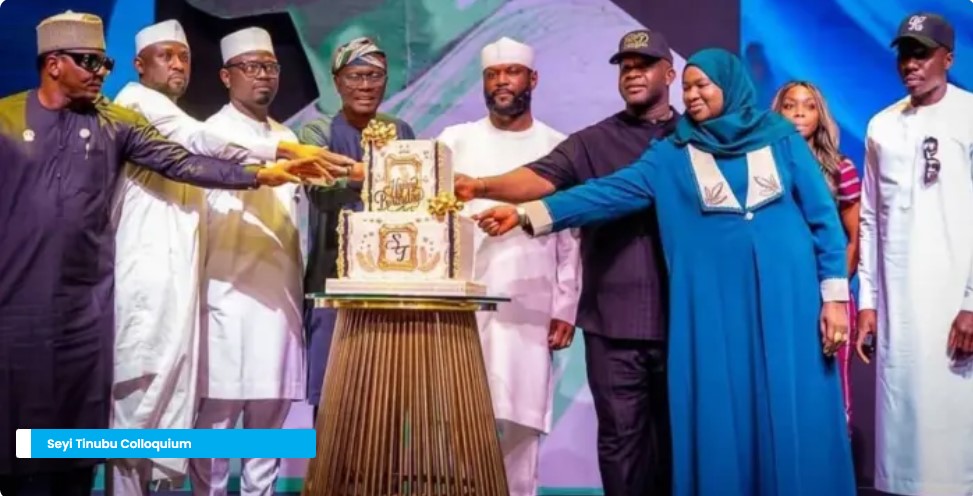
Held on Monday, October 12, 2026, at Eko Hotel and Suites, Victoria Island, Lagos, the inaugural edition was themed “Shaping the Future Together.” The event was convened by Seyi Tinubu, son of President Bola Ahmed Tinubu, as a platform for dialogue on leadership, innovation, enterprise, youth participation, and national development.
However, beyond the high-profile attendance and discussions about Nigeria’s future, the gathering also attracted public debate over economic hardship, political influence, and the need for measurable contributions to national development.
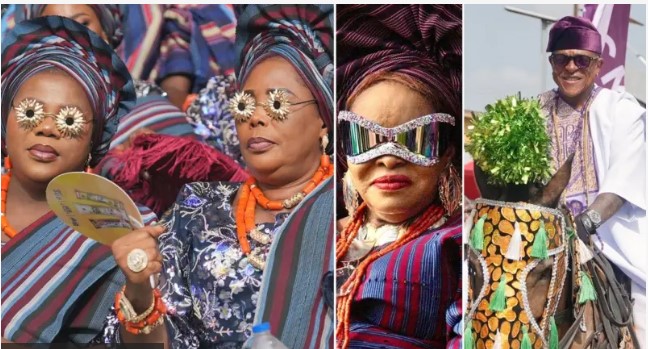
Among the prominent attendees were Lagos State Governor Babajide Sanwo-Olu, Deputy Governor Obafemi Hamzat, former African Development Bank president Dr Akinwumi Adesina and the Alaafin of Oyo, Oba Abimbola Owoade I.
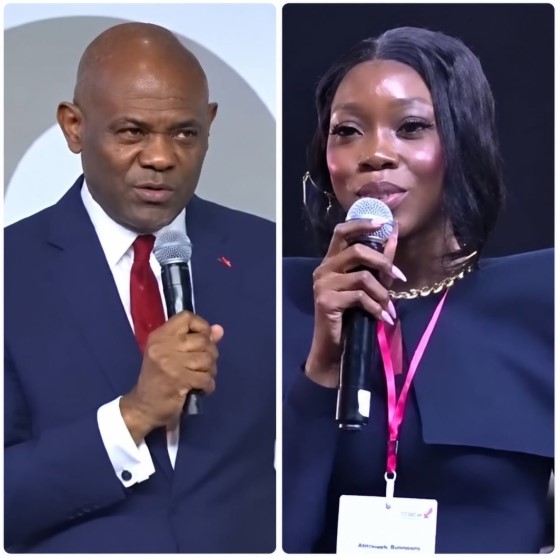
The programme also featured a notable lineup of business leaders, including BUA Group chairman Abdul Samad Rabiu and Heirs Holdings chairman Tony Elumelu, alongside award-winning filmmaker and entrepreneur Funke Akindele and other speakers from different sectors.
Seyi Tinubu Calls for Greater Youth Participation in Governance
One of the central messages from the colloquium was the need for young Nigerians to move beyond commenting on national affairs and become active participants in shaping policies and decisions that affect their lives.
Seyi Tinubu encouraged young people to prepare themselves for leadership by understanding public policy, learning from experienced leaders, asking critical questions, and presenting practical solutions to national challenges.
He also emphasised the importance of creating opportunities for younger generations to work alongside experienced leaders, arguing that young people should not have to wait until they occupy political offices before contributing meaningfully to society.
This message addresses a recurring concern in Nigeria: the gap between the country’s large youth population and the opportunities available to young people in governance, employment and enterprise.
For many young Nigerians, meaningful inclusion means more than being invited to conferences. It also involves access to quality education, employment, business financing, mentorship, and positions where their ideas can influence decisions.
Public Reactions: Praise, Questions and Political Debate
Despite its emphasis on collaboration and national development, the Seyi Tinubu Colloquium 2026 generated conversations beyond its official agenda.
Some of the attention centred on the presence of prominent political figures, business leaders and religious personalities. The appearance of Pastor Bolaji Idowu, founder of Harvesters International Christian Centre, also generated online reactions and discussions about the relationship between religious institutions and political gatherings.
More broadly, the event attracted criticism from those questioning the significance of organising a high-profile colloquium in honour of the President’s son. African Action Congress presidential candidate Omoyele Sowore was among those reported to have questioned Seyi Tinubu’s contributions and the rationale for the event.
These reactions illustrate the wider debate surrounding political influence, public visibility and accountability in Nigeria.
Supporters may view the colloquium as an opportunity to promote dialogue, mentorship and youth participation. Critics, however, may expect such gatherings to demonstrate clear public value through concrete initiatives, transparent commitments and measurable outcomes.
Ultimately, the event’s significance will be judged not only by who attended or what was discussed but also by what follows.