Madonna University Nursing Students Expelled Over TikTok Video
Madonna University Nursing Students Expelled Over Viral Video
The controversy over the expulsion of Madonna University nursing students has sparked widespread debate across Nigeria, raising questions about social media responsibility, professional ethics, and whether the punishment fits the offence.
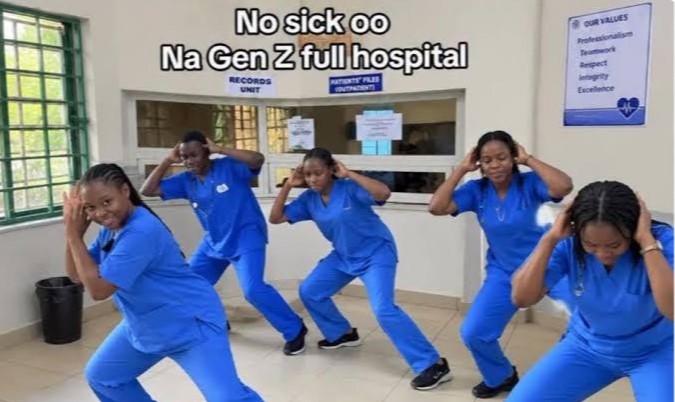
Madonna University, Elele Campus, Rivers State, reportedly expelled one final-year nursing student and suspended 14 other 500-level students after a video showing them dancing within the university’s teaching hospital went viral on social media.
The video, linked to the popular “Gen Z nurses” trend, showed the students dancing in different areas of the hospital, including a waiting area, a staircase, and a bus. It carried the caption, “No sick oo, nah Gen Z full hospital.”

Although the students may have intended the video as entertainment, its circulation triggered criticism from Nigerians who questioned the appropriateness of creating dance content in a healthcare environment.
According to reports published by Premium Times and other Nigerian media outlets on October 4, 2026, the university confirmed that disciplinary action had been taken against the students.
Why Were the Nursing Students Punished?
The controversy centres on the location of the video and the professional responsibilities expected of nursing students.
Healthcare facilities are sensitive environments where patient welfare, privacy, dignity and professional conduct must remain priorities. Content creators working or training in such environments must understand that seemingly harmless entertainment can be interpreted differently by patients, colleagues and members of the public.
Critics argued that nursing students approaching graduation should understand the standards expected of healthcare professionals. Others, however, questioned whether expulsion and lengthy academic disruption were proportionate responses to the incident.
The debate has therefore moved beyond the video itself to the consequences of disciplinary decisions on students who have invested years of study, money, and effort in their education.
Nigerians, NANS and NUNSA Call for Leniency
The sanctions have attracted appeals from student organisations and members of the public who believe the university should reconsider its decision.
The National Association of Nigerian Students (NANS) appealed to the university management to show clemency, warning that expulsion could seriously affect the students’ academic progress and future careers.

The Nigerian Universities Nursing Students’ Association (NUNSA) also said it had begun engaging relevant stakeholders in an effort to secure a fair resolution for the affected students.
On October 8, Amnesty International joined the calls for a review, describing the expulsion and suspensions as disproportionate and urging the university to prioritise dialogue and mediation.
These interventions have intensified public discussion about the balance between institutional discipline, students’ rights and the need to protect professional standards.
Is Expulsion Too Harsh a Punishment?
The incident has divided public opinion. While some Nigerians believe the university must enforce discipline, others argue that alternative sanctions could achieve the same objective without jeopardising the students’ futures.
Possible alternatives include a formal warning, temporary suspension, professional ethics training, or community service, depending on the institution’s rules and the circumstances of the incident.
However, the debate should not dismiss the importance of professionalism in nursing. Students must understand that healthcare settings are not ordinary filming locations, and content creation should never compromise patient privacy, safety, or dignity.
At the same time, disciplinary processes should be fair, transparent, and proportionate to the misconduct established.
Conclusion
The Madonna University nursing students’ expulsion controversy highlights the growing tension between social media culture and professional responsibility.
While nursing students must be held accountable for inappropriate conduct, the calls for reconsideration also raise an important question: should one viral video permanently derail years of academic preparation?
As calls for leniency continue, the public awaits a fair resolution that recognises both the importance of professional discipline and the students’ opportunity to learn from their mistakes.
The bigger lesson is clear: in the age of viral content, responsible social media use is not optional, particularly when a professional reputation and other people’s welfare are involved.